

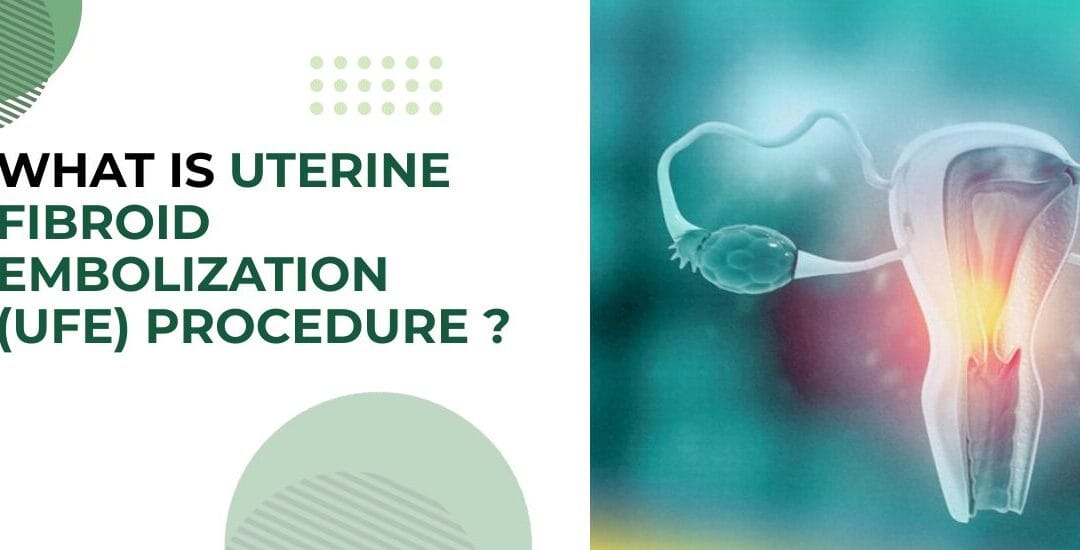
Uterine fibroid embolization is a minimally invasive procedure that blocks blood supply to fibroids by injecting tiny particles through a catheter into the arteries feeding them, so the fibroids shrink naturally over time without any cutting or removal of the uterus which means fertility stays preserved.
According to Dr. Aniruddha Kulkarni, Interventional Radiologist in Chembur,
“UFE gives women a real alternative to hysterectomy here, we’re cutting off the fibroid’s blood supply so it shrinks on its own and symptoms go away without taking out the uterus.”
Dealing with heavy bleeding or pelvic pressure from fibroids?
How Does the UFE Procedure Actually Work?
The whole thing starts with a small puncture in your groin or wrist where the doctor threads a thin catheter through your blood vessels right up to the uterine arteries, real-time imaging guides everything so there’s zero guesswork about where that catheter goes at any point.
- Catheter insertion happens through a tiny nick in the skin that’s honestly smaller than most people imagine, the interventional radiologist uses fluoroscopy to watch the catheter move through your arteries in actual real time which keeps everything super precise
- Particle injection involves releasing thousands of these microscopic beads into the arteries feeding those fibroids, the particles lodge themselves in tiny vessels and block blood flow completely so the fibroids basically starve and start shrinking right away
- Both arteries treated because fibroids usually get blood from both sides of the uterus, the catheter repositions to treat the other uterine artery too during the same session which means you’re getting complete coverage in one go
- No incisions needed since the whole procedure works through that one small puncture point, there’s no cutting into the abdomen at all and the entry site heals up really fast compared to traditional open surgery
Women choosing uterine fibroids treatment in Chembur through UFE avoid major surgery completely while still getting solid results.
What Happens After UFE and How Long Is Recovery?
Recovery from UFE is way shorter than hysterectomy or myomectomy because you’re not dealing with surgical incisions healing up, most women go home the same day or maybe stay overnight for observation depending on how they feel.
- Post-procedure cramping happens for the first few days as those fibroids start dying off without their blood supply, pain meds handle it pretty well and cramping usually peaks around day two or three then starts getting better fast
- Back to normal activities takes about one to two weeks for most folks which is dramatically faster than the six to eight weeks you’d need after traditional fibroid surgery, some women are back at work within just a few days honestly
- Fibroid shrinkage continues over the next three to six months as the fibroids keep shrinking down and getting reabsorbed by your body gradually, symptoms like heavy bleeding and pelvic pressure improve pretty quickly though usually within the first month or so
- Follow-up imaging with ultrasound or MRI checks how much those fibroids have shrunk and makes sure everything’s healing right, most patients see fibroids reduce by about 40 to 60 percent in size which makes a huge difference symptom-wise
The minimally invasive approach means you’re avoiding those long recovery times that come with what is interventional radiology and how does it work traditional surgical options.
Why Choose Dr. Aniruddha Kulkarni for UFE?
Dr. Aniruddha Kulkarni brings over 20 years of interventional radiology experience after training at institutions like Tata Memorial Hospital and working at Hinduja and KEM hospitals, now he’s serving as Director of Vascular and Interventional Radiology at Nanavati Max Superspeciality Hospital where he’s performed hundreds of UFE procedures with really strong outcomes.
Patients pick him because he explains everything clearly without medical jargon, uses advanced imaging for precision work, and genuinely focuses on getting you back to normal life as fast as possible.
Book your consultation today and experience the compassionate care of Dr. Aniruddha Kulkarni.
FAQs
Is UFE safer than hysterectomy?
Yes, UFE has lower complication rates since there’s no major surgery involved.
Can I get pregnant after UFE?
Many women have gotten pregnant after UFE, though fertility outcomes vary by individual case.
How long does the UFE procedure take?
Usually about 45 to 90 minutes depending on fibroid location and number.
Will fibroids come back after UFE?
Treated fibroids don’t regrow, but new ones can develop over time in some cases.
