

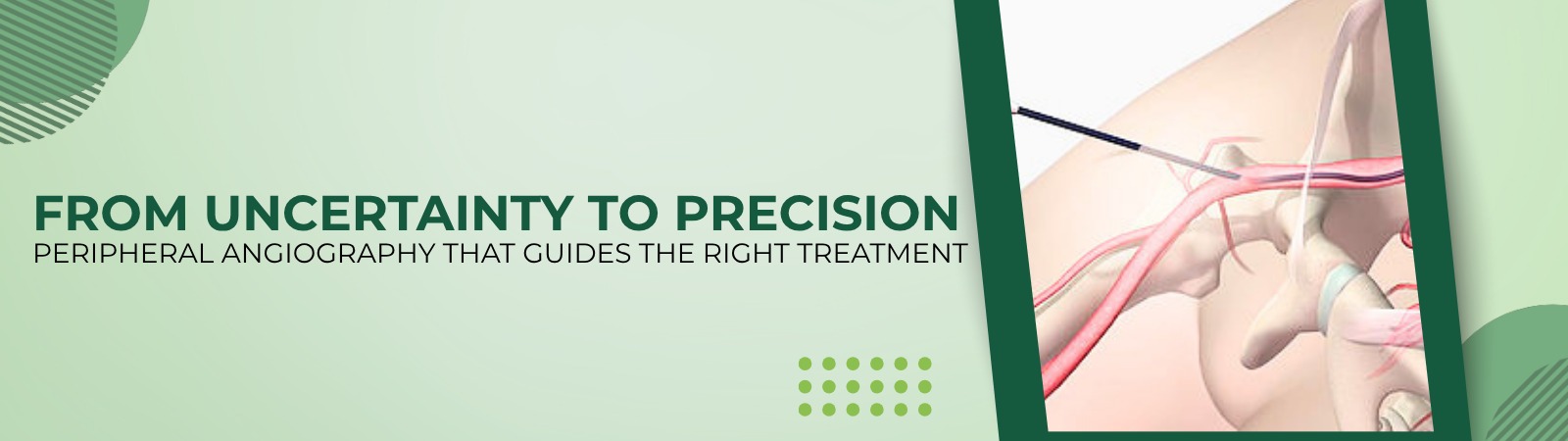
Peripheral Angiography Treatment in Navi Mumbai
Dr. Aniruddha Vidyadhar Kulkarni, a leading Interventional radiologist in Navi Mumbai, explains,
“Peripheral angiography helps us precisely identify the location and severity of arterial blockages. Early detection allows us to plan timely treatment and prevent complications like tissue damage or limb loss.”
He emphasizes that image-guided diagnostics play a key role in accurate and effective vascular care.
Dr. Kulkarni has over two decades of experience in vascular imaging and minimally invasive procedures. He is recognized for his expertise in peripheral angiography treatment in Navi Mumbai, offering precise diagnostic evaluation using advanced imaging techniques. He focuses on accurate diagnosis, early intervention, and personalized patient care.
When is peripheral angiography needed? Let’s explore the conditions it helps identify.
Conditions Diagnosed Using Peripheral Angiography by Dr. Aniruddha Kulkarni
Dr. Kulkarni recommends peripheral angiography treatment in Navi Mumbai to detect and assess several vascular conditions affecting blood flow:
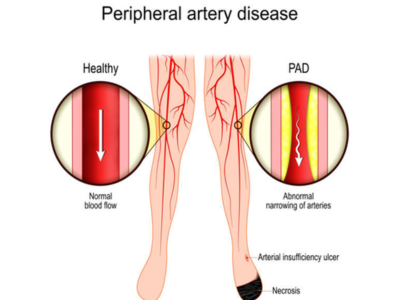
Peripheral Artery Disease (PAD)
Blocked or narrowed arteries in the legs that cause pain, cramping or difficulty in walking.
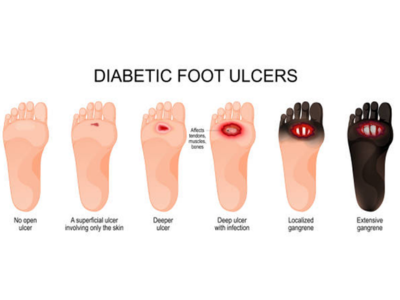
Non-Healing Ulcers and Diabetic Foot
Helps detect reduced blood supply that delays wound healing in diabetic patients.
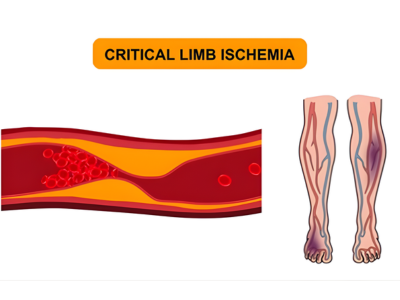
Critical Limb Ischemia
Severe blockage of arteries leading to persistent pain, skin damage, or risk of tissue loss.
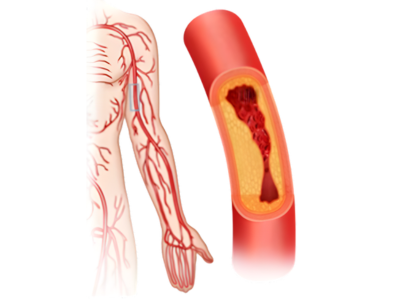
Arterial Blockages in Upper Limbs
Evaluates restricted blood flow in the arms that causes weakness or numbness.
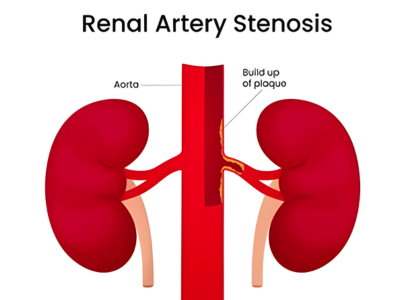
Renal Artery Stenosis
Determines narrowing of the kidneys’ arteries that can result in uncontrolled high blood pressure.
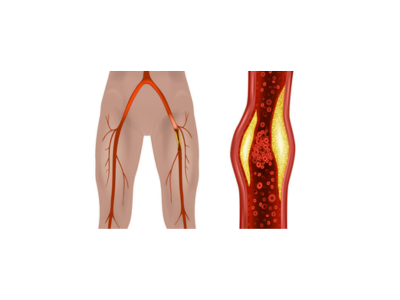
Blood Clots in Peripheral Arteries
Detects clots that obstruct the normal circulation of blood.
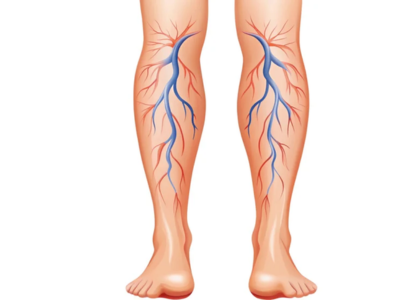
Vascular Injuries or Trauma
Assesses damage to blood vessels after injury or surgical procedures.
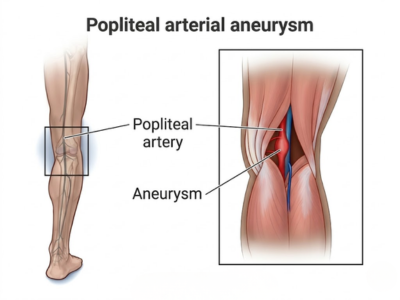
Peripheral Arteries Aneurysms
Detects abnormal bulging or weakening in arterial walls.
How is an accurate diagnosis achieved? Let’s explore the advanced techniques used
Advanced Peripheral Angiography Techniques by Dr. Aniruddha Kulkarni
Dr. Aniruddha Kulkarni, considered one of the best peripheral angiography doctor in Navi Mumbai, uses modern, image-guided technologies to ensure precise and reliable diagnosis of vascular conditions.
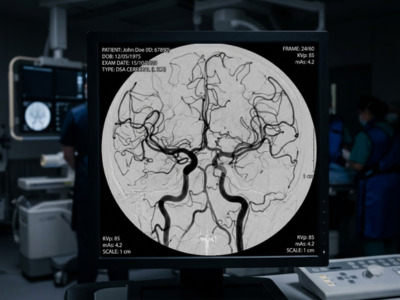
Digital Subtraction Angiography (DSA)
A high-resolution imaging technique that clearly visualizes blood vessels by removing background structures for better clarity.
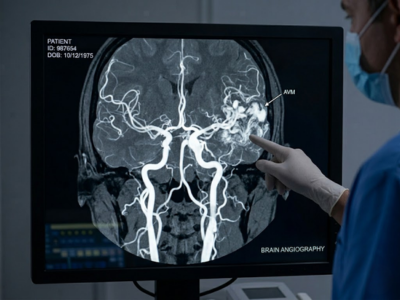
Contrast-Enhanced Angiography
Special contrast dye is used to highlight arteries and detect even small or complex blockages.
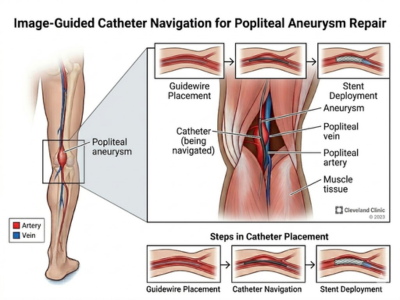
Image-Guided Catheter Navigation
Real-time imaging allows precise movement of the catheter to the exact location of the blockage.
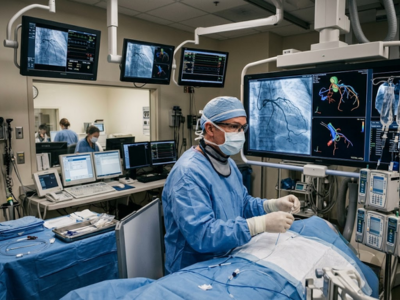
Low-Contrast and Low-Radiation Protocols
Advanced techniques help minimize radiation exposure and reduce contrast usage, especially important for high-risk patients.
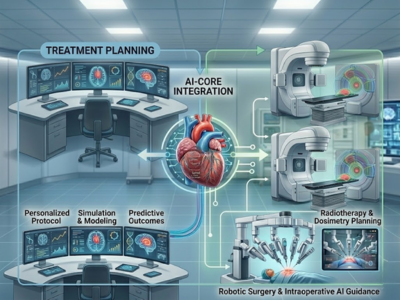
Hybrid Diagnostic and Treatment Planning
Angiographic findings are used immediately to plan further treatment, like angioplasty if required.
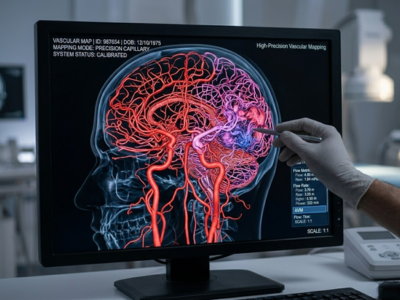
High-Precision Vascular Mapping
Detailed mapping of arteries helps in understanding the extent of disease and planning targeted intervention.
Seeking the right expert for the best peripheral angiography treatment in Navi Mumbai? Let’s see what sets Dr. Kulkarni apart
Why Choose Dr. Aniruddha Kulkarni for Peripheral Angiography Treatment?

Extensive Experience in Vascular Imaging
With over 20 years of experience, Dr. Kulkarni has handled a wide range of vascular conditions with precision.
Expertise in Image-Guided Procedures
Being a competent peripheral angiography doctor in Navi Mumbai, he uses advanced imaging to ensure accurate diagnosis.
Minimally Invasive Approach
Procedures are performed with small punctures, reducing discomfort and recovery time.
Advanced Technology and Techniques
Use of modern angiography systems allows detailed and reliable vascular assessment.
Personalized Diagnostic Approach
Each patient is evaluated individually to plan the most effective investigation and treatment.
Comprehensive Vascular Care
From diagnosis to treatment planning, complete support is provided under one roof.
Curious about how the procedure works? Let’s break it down step by step
How is Peripheral Angiography Performed?
Peripheral angiography is a minimally invasive procedure performed under imaging guidance to evaluate blood flow in the arteries:
Pre-Procedure Preparation
Basic tests and medical history are reviewed. Patients are advised to fast for a few hours before the procedure.
Local Anesthesia and Access
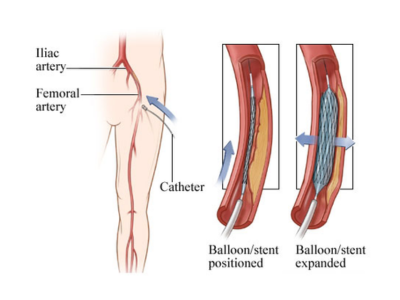
The procedure is done under local anesthesia. A small puncture is made in the groin or arm to access the artery.
Catheter Insertion
A thin catheter is gently guided through the blood vessels to the area being examined.
Contrast Dye Injection
A contrast dye is injected to make the blood vessels clearly visible on imaging.
Real-Time Imaging
X-ray imaging captures detailed visuals of blood flow and identifies any blockages or narrowing.
Completion and Monitoring
Once imaging is complete, the catheter is removed, and pressure is applied to prevent bleeding. Patients are monitored for a few hours before discharge.
FAQs
1. Is peripheral angiography safe?
Yes, it is a safe and commonly performed procedure when done by an experienced specialist.
2. How long does the peripheral angiography procedure take?
The procedure usually takes 30 minutes to 1 hour, depending on the complexity.
3. Will I experience any pain during the procedure?
You may feel mild discomfort, but local anesthesia ensures the procedure is largely painless.
4. How soon can I return to normal activities after peripheral angiography?
Most patients can resume routine activities within 24–48 hours.
5. Can peripheral angiography detect blockages in other parts of the body?
Yes, it helps evaluate arteries in the legs, arms, kidneys, and other peripheral regions.
6. Can liver cancer be treated without surgery?
Yes, interventional radiology offers effective minimally invasive treatments for many liver cancer patients.
Disclaimer: The information shared in this content is for educational purposes and not for promotional use.