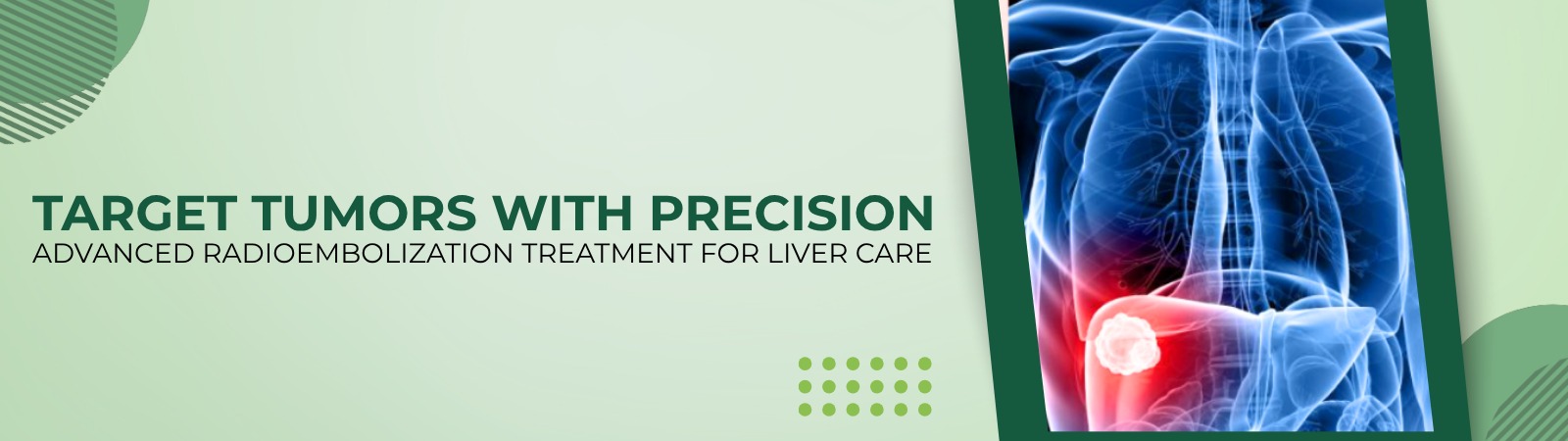
Radioembolization Treatment in Navi Mumbai
Dr. Aniruddha Vidyadhar Kulkarni, an ace interventional radiologist in Navi Mumbai, explains,
“Radioembolization allows us to deliver highly targeted radiation directly to the tumor, improving treatment precision while minimizing impact on healthy tissue. It is an effective option for managing liver tumors with better tolerance and recovery.”
He further emphasizes that timely intervention and accurate imaging are key to achieving better outcomes.
Dr. Kulkarni has over 20 years of expertise in minimally invasive, image-guided procedures. He specializes in radioembolization treatment in Navi Mumbai, offering advanced, personalized care for patients with liver tumors. Known for his precision and patient-focused approach, he provides comprehensive solutions to improve outcomes and maintain quality of life.
When is radioembolization recommended? Let’s explore the conditions it helps treat.
Conditions Treated by Dr. Aniruddha Kulkarni Using Radioembolization
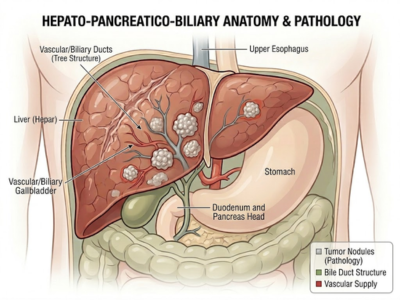
Radioembolization is primarily used for liver-related cancers and tumors:
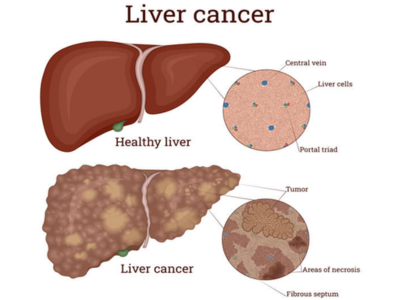
Primary Liver Cancer (Hepatocellular Carcinoma)
A common form of liver cancer where targeted radiation helps control tumor growth.
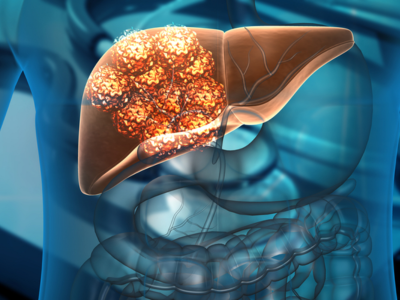
Liver Metastases
Cancer that has spread to the liver from other organs such as the colon, breast, or lungs.
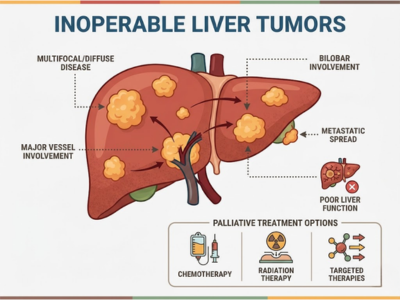
Inoperable Liver Tumors
Patients who cannot undergo surgery can benefit from this minimally invasive option.
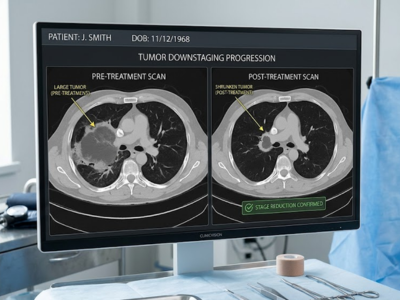
Tumor Downstaging Before Surgery
Helps shrink tumors to make them suitable for surgical removal or transplantation.
Recurrent Liver Cancer
Effective in managing tumors that return after previous treatments.
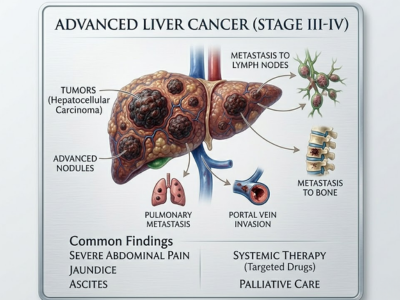
Advanced Liver Cancer Cases
Used as a palliative option to control symptoms and improve quality of life.
What happens during radioembolization treatment? Let’s break down each step of the procedure.
How Radioembolization is Performed by Dr. Aniruddha Kulkarni
Radioembolization is a carefully planned, image-guided procedure performed to deliver targeted radiation directly to liver tumors while preserving healthy tissue.
Detailed Pre-Procedure Evaluation
Dr. Aniruddha Kulkarni conducts comprehensive imaging such as CT scans and angiography to map liver blood vessels and assess tumor location.
Planning Angiography
A preliminary angiography helps identify the arteries supplying the tumor and ensures safe delivery of treatment.
Catheter Placement
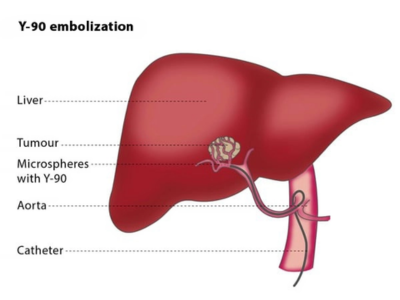
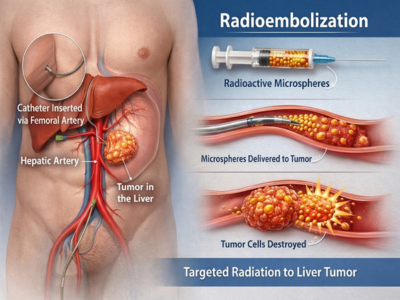
Dr. Aniruddha Kulkarni inserts a thin catheter through a small puncture in the groin and carefully guides it to the liver arteries using real-time imaging.
Delivery of Radioactive Microspheres
Dr. Kulkarni injects tiny radioactive beads (Y-90 microspheres) into the tumor-feeding artery, ensuring precise and targeted radiation.
Targeted Radiation Action
The microspheres lodge within the tumor and release radiation over time, destroying cancer cells while sparing nearby healthy tissue.
Post-Procedure Monitoring
Patients are monitored for a few hours after the procedure and are usually discharged within 24 hours.
Looking for the right specialist for advanced liver cancer care? Let’s explore what makes Dr. Kulkarni a trusted choice.
Why Choose Dr. Aniruddha Kulkarni for Radioembolization Treatment in Navi Mumbai?

Extensive Experience in Interventional Oncology
With over two decades of experience, Dr. Kulkarni has managed complex liver tumor cases using minimally invasive techniques.
Expertise in Precision-Guided Treatments
Advanced imaging ensures accurate delivery of radioactive microspheres directly to the tumor.
Minimally Invasive Approach
Procedures are performed through small punctures, reducing risk, hospital stay, and recovery time.
Focus on Preserving Liver Function
Treatment is designed to protect surrounding healthy liver tissue while targeting tumors.
Comprehensive Care Coordination
Works closely with oncologists and specialists to ensure complete and well-rounded treatment.
High Patient Satisfaction and Outcomes
Patients benefit from improved symptom control and better quality of life.
What happens after the procedure? Let’s understand recovery and follow-up care.
Recovery After Radioembolization Treatment
Recovery after radioembolization is generally smooth:
Short Hospital Stay
The patients are discharged after observation in most cases within 24 hours.
Mild Post-Procedure Symptoms
Some patients may feel tired, have some light fever or stomachache.
Gradual Return to Activities
Daily activities can usually be resumed within a few days.
Follow-Up Imaging
Tumor response and treatment effectiveness will be determined by scans.
Ongoing Monitoring
Regular consultations ensure continued progress and early detection of changes.
FAQs
1. Is radioembolization safe under an interventional radiologist?
Yes, it is considered safe when performed by an experienced interventional radiologist using imaging guidance.
2. What is the success rate of radioembolization?
Success depends on tumor type and stage, but it is highly effective in controlling liver tumors.
3. How long does the procedure take?
The procedure typically takes 1–2 hours, depending on the complexity.
4. Is radioembolization painful?
The procedure is usually painless, with mild discomfort managed using medication.
5. How many sessions are required?
Most patients require one or two sessions, depending on tumor size and response.