

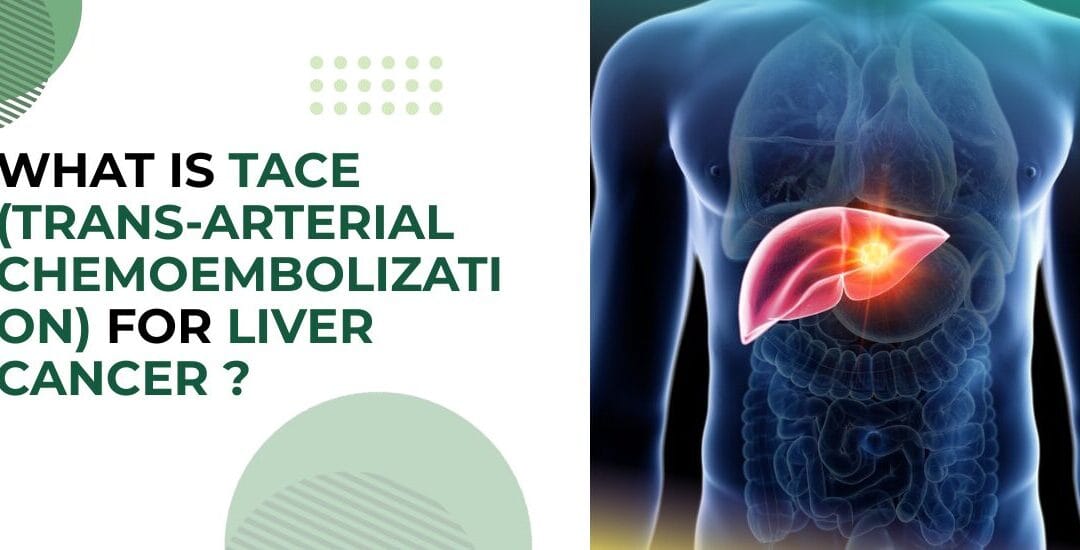
Trans-arterial chemoembolization is a targeted treatment that delivers concentrated chemotherapy drugs directly into liver tumors through a catheter while simultaneously blocking the blood vessels feeding those tumors, so cancer cells get hit with maximum chemo doses and starved of oxygen at the same time which makes it way more effective than systemic chemotherapy.
According to Dr. Aniruddha Kulkarni, Interventional Radiologist in Chembur,
“TACE gives us a powerful way to attack liver cancer from two angles at once, we’re flooding the tumor with chemo while cutting off its blood supply so healthy liver tissue barely gets touched by the drugs.”
Diagnosed with liver cancer and exploring treatment options?
How Does TACE Work to Treat Liver Tumors?
TACE works by targeting the hepatic artery that feeds blood specifically to liver tumors since cancer cells need way more blood supply than normal liver cells do, a thin catheter gets threaded through your groin artery right up to the branches feeding those tumors while imaging guides everything in real time.
- Selective catheterization involves navigating that catheter through your arterial system until it reaches the exact vessels supplying blood to the tumor, the interventional radiologist uses fluoroscopy and sometimes CT to map out the liver’s blood supply first so they know precisely where to inject
- Chemotherapy delivery happens when concentrated chemo drugs mixed with an oily contrast agent get injected directly into the tumor’s blood vessels, this delivers chemo doses that are 10 to 100 times higher than what systemic chemotherapy could achieve without destroying your whole body
- Embolization blocking comes from tiny particles injected after the chemo that physically plug up those tumor blood vessels, this traps the chemotherapy inside the tumor for longer while also starving cancer cells of oxygen and nutrients they need to survive
- Targeted approach means healthy liver tissue gets minimal chemo exposure since most of your normal liver gets its blood from the portal vein not the hepatic artery, side effects end up being way less severe than traditional chemotherapy that circulates through your entire bloodstream
Patients choosing liver cancer management in Chembur through TACE avoid the harsh whole-body effects of systemic chemotherapy while getting better tumor response.
What Results Can You Expect After TACE Treatment?
TACE results vary depending on tumor size and liver function, but most patients see significant tumor shrinkage or stabilization after treatment which can extend survival quite a bit compared to no treatment at all.
TACE Outcome | Hepatocellular Carcinoma | Metastatic Liver Tumors |
Tumor Response | 50-70% shrinkage or control | 30-50% response rate |
Survival Benefit | 2-3 years median survival | 6-18 months improvement |
Repeat Sessions | 2-4 procedures typical | 3-6 procedures possible |
Side Effects | Mild to moderate | Generally well tolerated |
- Post-procedure syndrome happens in about 60 to 80 percent of patients and includes fever, nausea, fatigue and abdominal pain for a few days after TACE, pain meds and anti-nausea drugs handle it pretty well though and symptoms usually resolve within a week or so
- Tumor shrinkage gets assessed with CT or MRI scans done about four to six weeks after each TACE session, many patients need multiple TACE treatments spaced out over several months to keep controlling tumor growth effectively
- Bridge to transplant is one important use where TACE keeps liver cancer stable while patients wait for a donor liver to become available, this prevents tumors from growing beyond transplant criteria during that waiting period
- Quality of life generally stays good between TACE sessions since the treatment targets just the liver, most folks can maintain pretty normal activity levels unlike with systemic chemo that often leaves people feeling wiped out constantly
The precision of interventional approaches like TACE shows why more patients are looking into peripheral angiography treatment in Navi Mumbai and other targeted IR procedures.
Why Choose Dr. Aniruddha Kulkarni for TACE?
Dr. Aniruddha Kulkarni brings over 20 years of interventional radiology experience with extensive training at Tata Memorial Hospital where liver cancer treatment is a major focus, having worked at Hinduja and KEM hospitals before becoming Director of Vascular and Interventional Radiology at Nanavati Max Superspeciality Hospital where he performs TACE procedures regularly with strong outcomes.
Patients choose him for his experience with complex liver cases, precise catheter technique that minimizes complications, and honest communication about what TACE can and can’t accomplish.
FAQs
Is TACE better than systemic chemotherapy for liver cancer?
Yes, TACE delivers higher chemo doses to tumors with fewer whole-body side effects.
How many TACE sessions will I need?
Most patients need 2 to 4 sessions spaced weeks or months apart.
Can TACE cure liver cancer completely?
TACE controls tumors but rarely cures cancer, often used with other treatments.
What's recovery time after each TACE procedure?
Most people recover within one week and resume normal activities gradually.
