

Uterine Fibroids Treatment in Chembur
Dr. Jyoti Kulkarni, a highly regarded gynecologist in Chembur, notes,
“Fibroids are common, but their impact on a woman’s health can be significant. Early diagnosis and the right treatment can prevent complications and improve quality of life.”
Dr. Kulkarni specializes in treating uterine fibroids with both conventional and minimally invasive approaches. With a focus on personalized care and cutting-edge techniques, she offers result-oriented uterine fibroids treatment in Chembur. Her expertise extends to diagnosing, managing, and providing effective treatments for fibroids, ensuring that women receive comprehensive care tailored to their individual needs.
Not sure how to get started with fibroid treatment? Let’s discuss Dr. Kulkarni’s thorough approach to diagnosing uterine fibroids.
Dr. Jyoti Kulkarni’s Approach to Uterine Fibroids Diagnosis
Dr. Jyoti Kulkarni takes a holistic approach to diagnosing uterine fibroids, combining clinical examination with advanced imaging to ensure accuracy. Here’s her approach:

Review of Medical History and Symptoms
Understanding the patient’s medical history, symptoms, and family background is the first step. Dr. Kulkarni listens to concerns regarding menstrual cycles, pelvic pain, or other symptoms.
Physical Examination
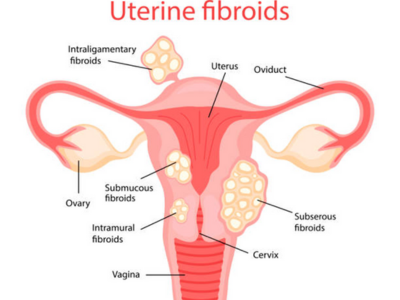
A pelvic examination is carried out to examine the uterus for any abnormalities.
Imaging Procedures
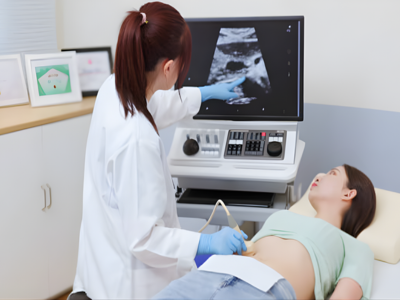
- Ultrasound: This is the most frequently used technique in diagnosing fibroids.
- MRI Scan: Gives detailed imaging, especially for large and deep fibroids.
Further Testing
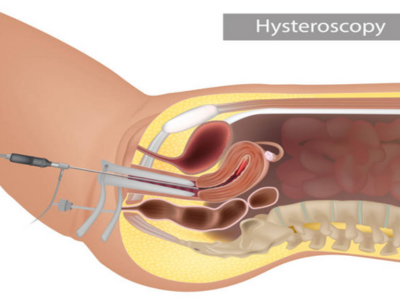
In certain cases, hysteroscopy or laparoscopy may be used to directly view uterine fibroids.
Struggling with fibroids? Connect with a seasoned professional to explore all your treatment choices.
Wondering which treatment is right for your uterine fibroids? Let’s explore the most effective treatment options Dr. Kulkarni offers for fibroid management.
Treatment Options for Uterine Fibroids by Dr. Jyoti Kulkarni in Chembur
Dr. Jyoti Kulkarni offers several treatment options based on the size, location, and symptoms of the fibroids. These include:

Medications
Symptoms of heavy bleeding and pain associated with fibroids can be treated with medications, especially for women who avoid surgery or have small fibroids. Some of these include:
- Hormonal treatments, such as birth control or progestin IUDs, to reduce bleeding
- Gonadotropin-releasing hormone (GnRH) agonists to shrink fibroids
Minimally Invasive Procedures
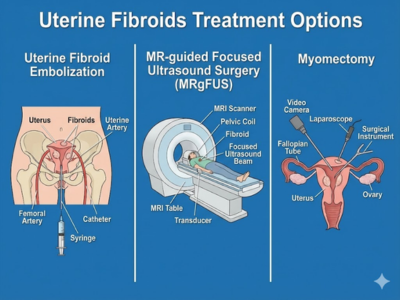
- Uterine Artery Embolization (UAE): A non-surgical procedure that cuts off the blood supply to the fibroid, causing it to shrink.
- MRI-guided focused ultrasound: Uses high-intensity ultrasound waves to destroy fibroid tissue.
Surgical Options
For larger fibroids or when other treatments fail, surgery may be necessary:
- Myomectomy: The removal of fibroids while preserving the uterus, ideal for women who wish to maintain fertility.
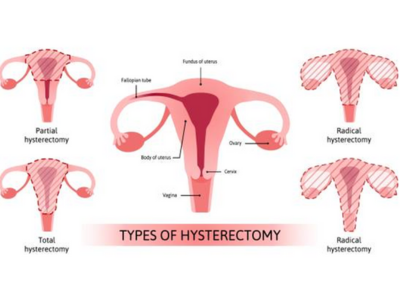
- Hysterectomy: The complete removal of the uterus, recommended in cases of large fibroids or those causing severe symptoms.
Seeking the right specialist to manage your fibroids? Let’s explore why Dr. Jyoti Kulkarni is one of the most preferred experts for the best uterine fibroids treatment in Chembur.
Why Choose Dr. Jyoti Kulkarni for Uterine Fibroids Treatment in Chembur
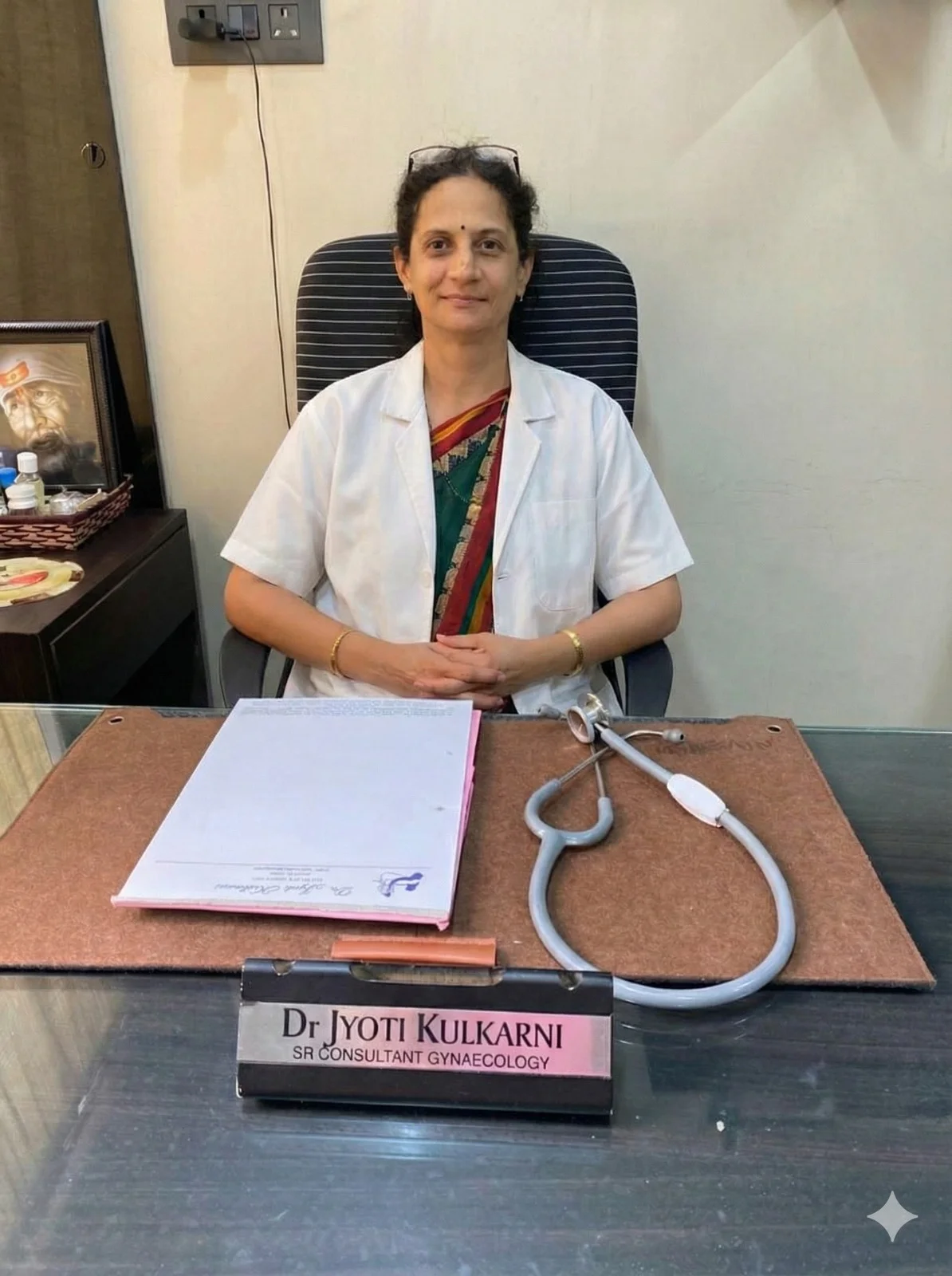
Dr. Jyoti Kulkarni is one such gynecologist whose methods to treat uterine fibroids are comprehensive and personalized. There are many reasons why she is considered to be one of the best gynecologists for fibroids treatment in Chembur:
Expertise in Minimally Invasive Surgery
Dr. Kulkarni focuses primarily on endoscopic and minimally invasive procedures in order to ensure faster recovery and comfort for patients.
Advanced Diagnostic Tools
She employs latest diagnostic methods, including ultrasound, MRI, to precisely identify and evaluate fibroids, thereby ensuring proper treatment is selected from the start.
Personalized treatment plans
She has specialized treatment programs for each of her patients depending on the size, location, and severity of symptoms caused by the fibroids.
Commitment to Patient Care
Dr Kulkarni listens to her patients and explains the options to them and makes sure that the patients are supported through the entire process.
Academic Excellence and Clinical Experience
Dr. Kulkarni has more than 20 years of experience at some of the most prestigious medical organizations and has an excellent academic record.
Empathetic and Trusted
She is known for her caring attitude and is highly respected by her patients, who admire her attention to detail and her commitment to achieving the best results.
Looking for an experienced gynecologist for fibroid treatment? Reach out to a trusted specialist who understands your needs and concerns.
Worried about the recovery process after fibroid treatment? Let’s discuss the aftercare and recovery expectations.
Aftercare and Recovery for Uterine Fibroid Treatments
Post-treatment care is crucial to successful recovery after uterine fibroids treatment. Dr. Kulkarni provides patients with thorough aftercare instructions depending on the type of procedure performed.
Recovery After Surgery
For surgeries like myomectomy or hysterectomy, the recovery time can range from a few weeks to a couple of months. Patients are advised to avoid heavy physical activity and follow pain management instructions.
Monitoring & Follow-Up
Regular follow-up appointments are necessary to ensure fibroids are shrinking and no complications are arising.
Lifestyle Modifications
For women opting for non-surgical treatments, lifestyle changes like diet adjustments, stress management, and regular exercise may help manage symptoms.
FAQs
1. Can fibroids cause infertility?
Yes, large fibroids can obstruct the fallopian tubes or the uterus, leading to infertility. However, treating fibroids often improves fertility.
2. What are uterine fibroids, and how do they form?
Uterine fibroids are non-cancerous growths made of muscle and fibrous tissue. They form when cells in the uterine wall begin to grow abnormally.
3. How do I know if I have uterine fibroids?
Symptoms like heavy periods, pelvic pain, and frequent urination may indicate fibroids. An ultrasound or MRI can confirm the diagnosis.
4. Are fibroids cancerous?
No, fibroids are typically benign and not cancerous. However, regular monitoring is important to ensure they don’t cause complications.
5. Can fibroids come back after treatment?
While fibroids can regrow after some treatments, options like hysterectomy provide a permanent solution.
6. What happens if fibroids are left untreated?
Untreated fibroids can grow larger, cause severe bleeding, and lead to other complications like anemia and infertility.