Interventional Radiologist in Mumbai
Conditions like liver tumors, blocked blood vessels, gastrointestinal bleeding, aneurysms, and complex cancers often need specialized care. Interventional radiology offers a minimally invasive alternative, using advanced imaging for precise, targeted treatments with smaller incisions, lower risks, and quicker recovery.
According to Dr. Aniruddha Vidyadhar Kulkarni, an acclaimed Interventional Radiologist in Mumbai:
“Minimally invasive care is not just about smaller incisions, but about precision, faster recovery, and better outcomes.” He emphasizes that “image guidance helps in treating critical areas with accuracy that traditional approaches sometimes cannot match.”
In this journey toward safer, result-oriented treatments, Dr. Aniruddha Kulkarni brings over two decades of expertise in minimally invasive procedures in Mumbai. With extensive training across India’s premier institutions and leadership roles in world-class hospitals, he is recognized for his precise techniques in vascular, oncological, hepatobiliary, interventional radiology.
Common Conditions Treated by Interventional Radiology
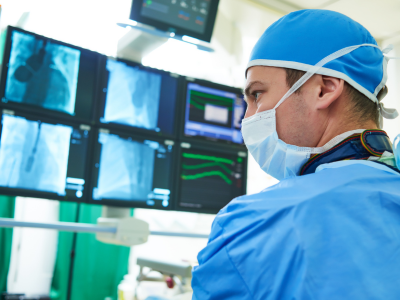
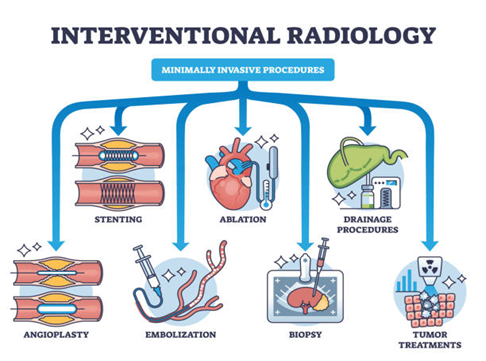
Tumor embolization, Aortic aneurysm treatment & RF ablation of osteoid osteoma
Liver tumors requiring ablation, embolization, or radioembolization
Peripheral vascular disease needing angioplasty or stenting
Deep vein thrombosis and pulmonary embolism requiring thrombolysis
Gastrointestinal bleeding requiring embolization
Kidney and urinary obstructions requiring stenting or nephrostomy
Portal hypertension requiring TIPSS procedures
Spinal or bone lesions managed with vertebroplasty
Oncological conditions needing biopsies, drainages, and tumor-directed therapies
Vascular malformations treated with targeted sclerotherapy
Seeking a specialist with strong experience? Let’s discover why Dr. Kulkarni is one of the most-preferred Interventional Radiologist in Mumbai.
About Dr. Aniruddha Kulkarni

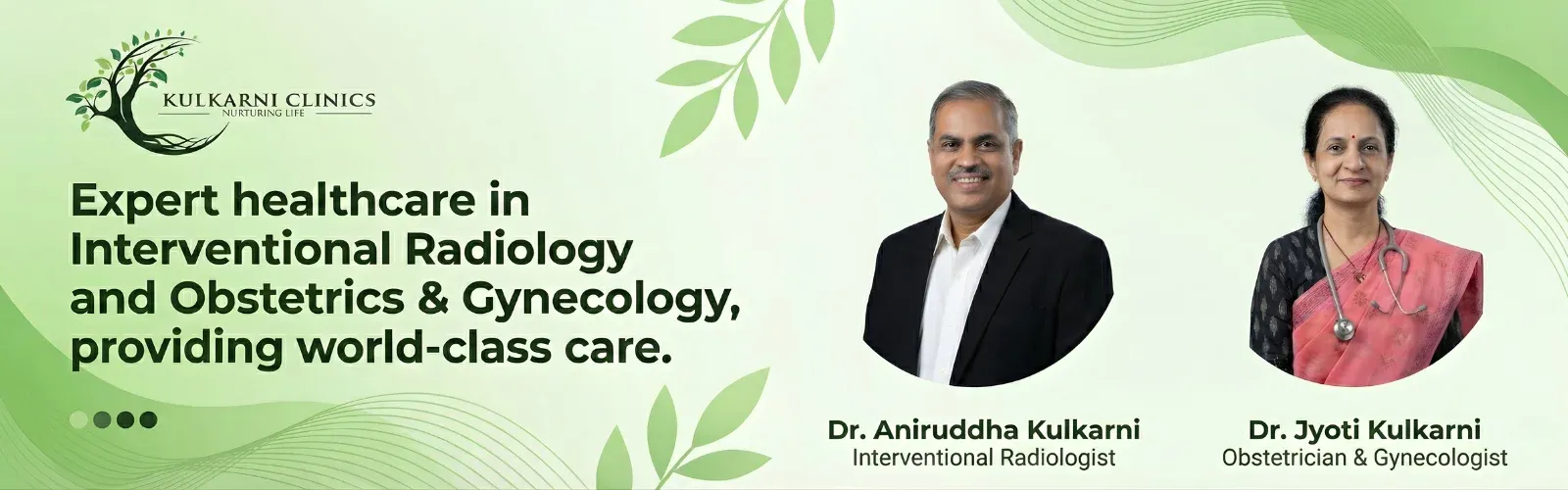
Dr. Aniruddha Vidyadhar Kulkarni is a senior, highly accomplished Interventional Radiologist in Chembur, Mumbai, currently serving as Director of Vascular and Interventional Radiology at Nanavati Max Superspeciality Hospital.
With over 20 years of clinical experience, he has worked in India’s most respected institutions, including Tata Memorial Hospital, P.D. Hinduja National Hospital.
Why Choose Dr. Aniruddha Kulkarni for Interventional Radiology in Mumbai?
Extensive Experience:
Over two decades of clinical expertise across top hospitals including Tata Memorial Hospital, Hinduja Hospital, KEM Hospital, and Nanavati Max Superspeciality Hospital.
Oncology-Focused Expertise:
Strong background in cancer-directed procedures such as radioembolization, ablation, chemoembolization, and advanced biopsies.
Patient-Centric Decision Making:
Prioritizes safety, comfort, and clear communication to ensure patients fully understand their treatment options.
Advanced Minimally Invasive Skills:
Performs a wide range of complex vascular, oncologic, hepatobiliary, neurovascular, and gastrointestinal interventions with high precision.
Comprehensive Skill Set:
Expertise spanning interventional radiology, diagnostic radiology, Doppler, ultrasound, CT imaging, oncology interventions, and vascular therapies.
Precision Through Imaging:
Utilizes advanced imaging platforms (CT, ultrasound, Doppler, angiography) to ensure accurate diagnosis and treatment.
As Dr. Aniruddha Kulkarni, an expert in Interventional Radiology in Mumbai, explains:
‘Interventional radiology isn’t just about treatment—it’s about improving lives. Early intervention with advanced, minimally invasive techniques can bring lasting relief and better outcomes.’
Dr. Aniruddha Kulkarni’s Approach to Interventional Radiology
Choosing the right treatment involves skill, precision, and clinical judgment. Dr. Kulkarni’s approach includes:
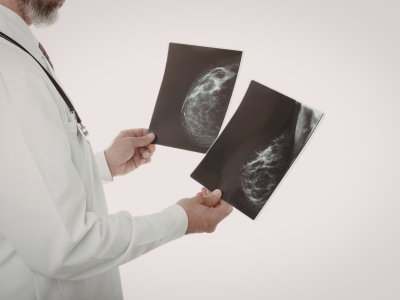
Detailed Imaging-Based Diagnosis
He uses ultrasound, Doppler, CT, and angiography to evaluate conditions thoroughly.

Tailored Treatment Planning
Each procedure—whether a biopsy, embolization, stenting, or ablation—is personalized based on the patient’s condition.
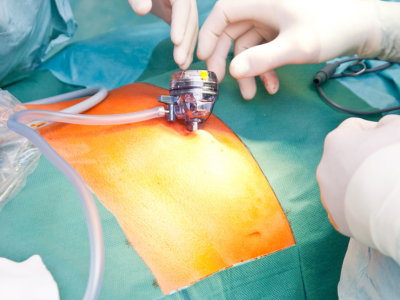
Minimally Invasive First Philosophy
Whenever possible, he prioritizes image-guided treatments to reduce risks, pain, and recovery time.
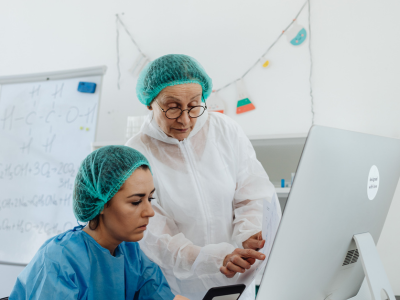
Multidisciplinary Collaboration
He works closely with oncologists, surgeons, hepatologists, and critical care teams to ensure holistic care.

Follow-Up and Long-Term Outcomes
Patients receive structured follow-up, ensuring recovery and long-term results are closely monitored.
Want a safer and faster treatment option? Connect with a specialist to discover whether interventional radiology is right for your condition.
Benefits of Interventional Radiology

Smaller incisions:
Tiny entry points lead to minimal bleeding and reduced scarring.

Faster recovery:
Most patients return to routine activities much sooner compared to open surgery.

Lower complication rates:
Precision targeting reduces surgical risks and postoperative problems.
Less pain and discomfort:
Local anesthesia and minimally invasive access result in a more comfortable experience.
High accuracy with imaging:
Procedures guided by CT, ultrasound, or fluoroscopy ensure controlled and precise treatment.

Shorter hospital stay:
Many interventions are day-care procedures, allowing patients to go home the same day.
Ideal for high-risk patients:
Elderly individuals and those unfit for major surgery benefit greatly from IR’s minimally invasive nature.

Broad clinical applications:
Effective in managing liver tumors, vascular blockages, GI bleeding, renal issues, and cancer-related interventions.
FAQs
1. What is the difference between interventional radiology and traditional surgery?
IR uses imaging to treat conditions with tiny incisions, while traditional surgery involves larger cuts and longer recovery.
2. How long does recovery take after an interventional radiology procedure?
Most patients recover within hours to a few days, depending on the procedure.