Liver Cancer Management in Chembur
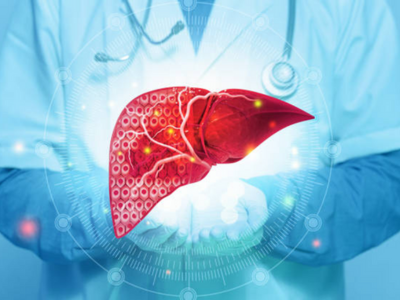
Liver cancer is one of the most prevalent cancers globally, with an increasing incidence in both developed and developing countries. In India, liver cancer ranks among the top cancers, with rising numbers due to the growing prevalence of risk factors like hepatitis B, hepatitis C, and alcohol-related liver disease. Early diagnosis plays a pivotal role in improving treatment outcomes, and advanced imaging techniques have made it easier to detect liver tumors at an early stage.
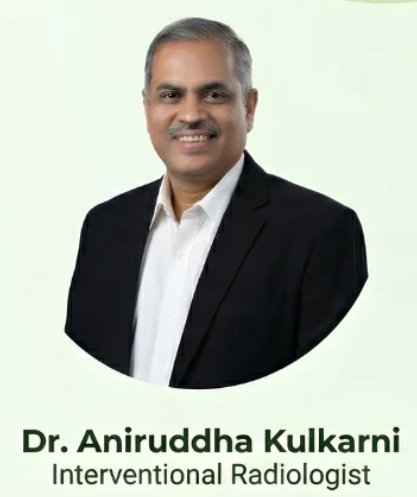
Dr. Aniruddha Vidyadhar Kulkarni, a prominent interventional radiologist in Mumbai based in Chembur, emphasizes,
“Minimally invasive treatments, such as embolization and radiofrequency ablation (RFA), have transformed liver cancer care. These procedures can provide effective relief with faster recovery and fewer complications than traditional surgery.”
Dr. Kulkarni specializes in treating simple to complex liver conditions using the latest minimally invasive techniques. With over 20 years of experience and a deep understanding of vascular interventions, he is committed to offering patients the best liver cancer management in Chembur. Dr. Kulkarni utilizes advanced imaging techniques to diagnose and treat liver cancer, providing personalized care and precise, non-surgical treatments to improve patients’ quality of life.
First, let’s explore the advanced imaging techniques that help accurately diagnose and treat liver cancer.
The Role of Imaging in Liver Cancer Diagnosis and Treatment
Imaging is important for the proper diagnosis and treatment of liver cancer because doctors can visualize the tumor’s size, location, and spread. Dr. Kulkarni uses modern imaging techniques to ensure his patients experience the best liver cancer management in Chembur:
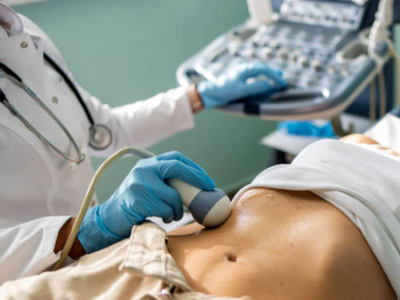
Ultrasound
Ultrasound studies are often the first diagnostic step in detecting liver abnormalities. They also aid in detecting liver tumor growth and size.
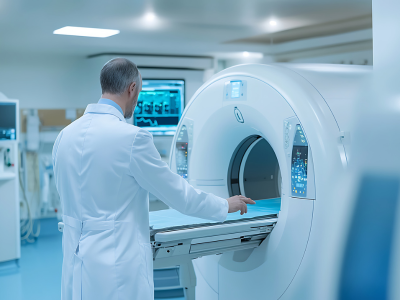
Contrast-Enhanced CT Scan
CT scans of the liver and surrounding tissues are used to obtain detailed pictures of the organ and to aid in detecting liver cancer, determining cancer stage, and guiding treatments like TACE and RFA.
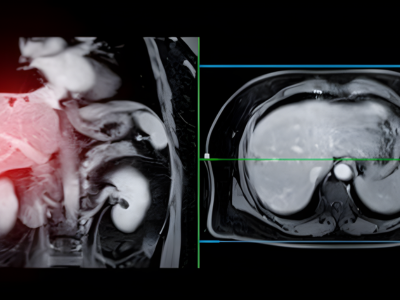
MRI with Liver-Specific Contrast
Provides high-resolution imaging, enabling the thorough assessment of liver lesions and vascular structures as well as liver function to assist interventions such as radioembolization.
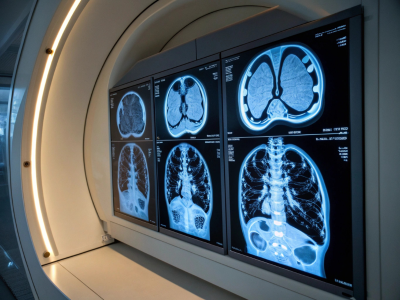
PET/CT Scan
A PET/CT scan may be performed to check the spread of the disease as well as to identify whether the cancer has metastasized.
Wondering how liver cancer can be treated without major surgery? Let’s explore the minimally invasive treatments offered by Dr. Kulkarni for effectively managing this condition.
Minimally Invasive Liver Cancer Treatments by Dr. Aniruddha Kulkarni
Dr. Kulkarni specializes in minimally invasive procedures that treat liver cancer with high precision and minimal downtime. Some of the most common treatments include:
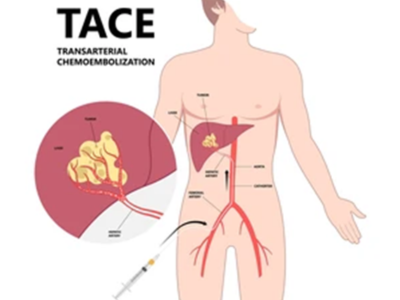
Transarterial Chemoembolization (TACE)
TACE provides chemotherapy directly to the tumor site through the administration of chemotherapy drugs to the blood vessels feeding the tumor, and this method is effective in shrinking the tumor and restoring liver function.
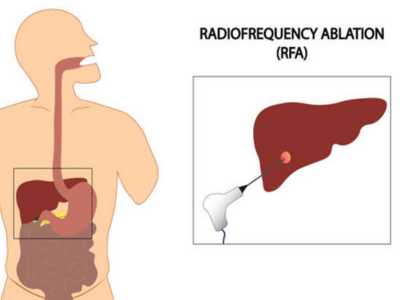
Radio Frequency Ablation (RFA)
RFA uses radiofrequency waves to destroy liver tumors using heat. This method is ideal for small liver tumors and has a rapid recovery period.
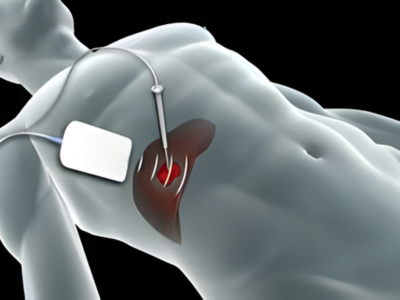
Microwave Ablation (MWA)
MWA is similar to RFA but uses microwave energy to kill cancerous cells more quickly. Furthermore, it is used to treat larger tumors.
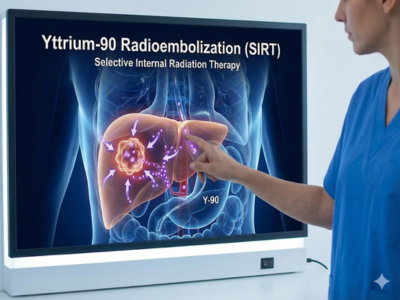
Yttrium-90 Radioembolization (Selective Internal Radiation Therapy)
This advanced treatment modality entails injecting radioactive beads directly into the liver tumor for targeted treatment with minimal damage to healthy tissues.
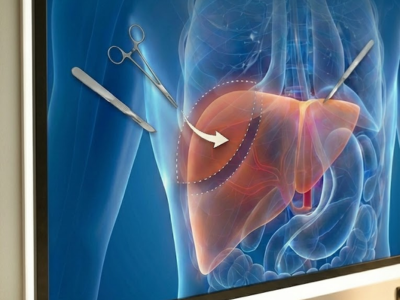
Liver Resection (Partial Hepatectomy)
When tumors are localized and the liver’s functionality is intact, resection of the liver’s part might also be recommended.
Seeking effective liver cancer treatments with minimal recovery time? Connect with an expert today to learn more about these procedures.
Not sure who to trust for your liver cancer treatment in Chembur? Let’s explore why Dr. Kulkarni is the preferred expert for liver cancer care.
Why Choose Dr. Aniruddha Kulkarni for Liver Cancer Management in Chembur?
Dr. Aniruddha Vidyadhar Kulkarni stands apart as a leading interventional radiologist in Chembur for the following reasons:
Specialized Expertise
Dr. Kulkarni is skilled in the most innovative minimally invasive treatments for liver cancer, including TACE, RFA, and radioembolization. These options are considered highly effective for patients and allow for shorter recovery periods.
Modern Technology
Dr. Kulkarni’s clinic is equipped with the latest imaging and intervention technologies, ensuring that treatments are guided by the most accurate data.
Personalized Care Plans
He works closely with each patient to develop a personalized treatment plan that considers their diagnosis, lifestyle, and overall health.
Proven Track Record
With over 20 years of experience, Dr. Kulkarni has successfully treated numerous liver cancer patients, helping them achieve long-term survival and improved quality of life.
Compassionate and Supportive
Dr. Kulkarni’s patient-first approach ensures that patients feel supported throughout their treatment journey, with clear communication and expert guidance at every stage.
Now, let’s explore the benefits of these advanced IR treatments in managing liver cancer.
How Interventional Radiology Benefits Liver Cancer Patients
Interventional radiology (IR) offers numerous advantages for liver cancer patients:
Minimally Invasive
Since the IR procedures involve small incisions, the complications are few, and recovery is relatively quick.
Targeted Treatment
Under imaging guidance, IR interventions directly target the tumor with little or no damage to healthy tissue.
Quick Recovery
In comparison to traditional surgery, the procedures carried out through IR offer the advantage of quicker recovery for the patients.
Effective for High Risk Patients
IR is often the preferred option for elderly or high-risk patients, as it is less physically demanding than traditional surgery.
Interested in minimally invasive treatment for liver cancer? Reach out to learn more about interventional radiology options.
FAQs
1. What are the risks of interventional radiology treatments for liver cancer?
Risks include infection, bleeding, and damage to surrounding tissues, but these are rare and minimized with advanced imaging.
2. How long is the recovery time after interventional radiology procedures?
Recovery time varies by procedure, but most patients return to normal activities within a few days to a week.
3. Are interventional radiology treatments curative for liver cancer?
IR treatments are highly effective for localized tumors, but in advanced cases, they are typically used in combination with other therapies.
4. Is there any pain during interventional radiology procedures for liver cancer?
Most procedures are minimally painful, and local anesthesia or sedation is used to ensure patient comfort.
5. What is the success rate of liver cancer treatments?
Success rates vary depending on tumor stage and treatment method. However, minimally invasive procedures offer high success rates for many patients.
6. Can liver cancer be treated without surgery?
Yes, interventional radiology offers effective minimally invasive treatments for many liver cancer patients.
Disclaimer: The information shared in this content is for educational purposes and not for promotional use.