
Angioplasty Treatment in Chembur, Mumbai
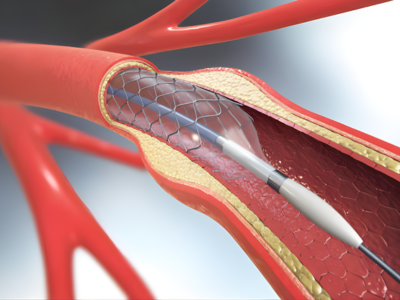
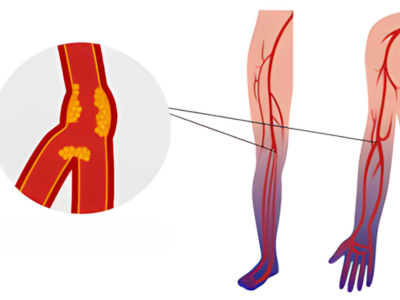
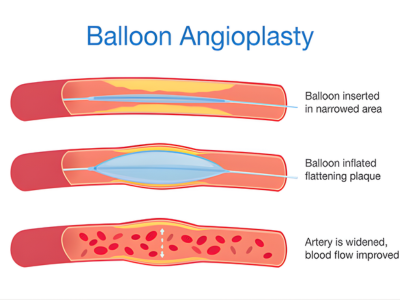
Angioplasty is a minimally invasive procedure that widens narrowed or blocked arteries to restore normal blood flow. Blocked arteries can result from plaque buildup, a condition called atherosclerosis, which can affect the heart, legs, kidneys, and other vital organs. Inadequate blood flow can lead to symptoms like chest pain, leg pain during walking, non-healing wounds or even failure of vital organs. Angioplasty assists in enhancing circulation by using a small balloon inserted into the blocked artery and expanding it to enlarge the pathway.

According to the renowned interventional radiologist in Chembur, Mumbai Dr. Aniruddha Vidyadhar Kulkarni

“Angioplasty has transformed vascular treatment by providing a safe and successful alternative to open surgery. Early treatment not only alleviates symptoms but also prevents complications in the long run.”

Dr. Kulkarni further states that image-guided precision provides superior results and rapid recovery. He has more than two decades of experience in vascular procedures and is a leading specialist in angioplasty treatment in Chembur, Mumbai.
Wondering when angioplasty is needed? Let’s explore the common conditions treated with this procedure

Conditions Treated with Angioplasty by Dr. Aniruddha Kulkarni
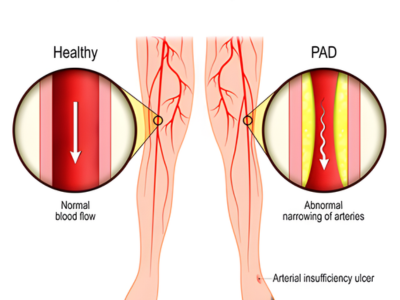
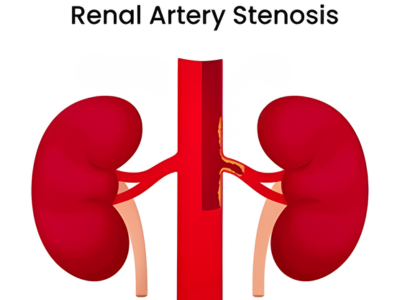
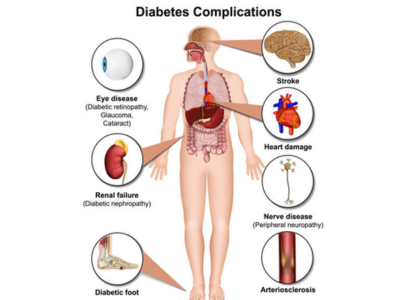
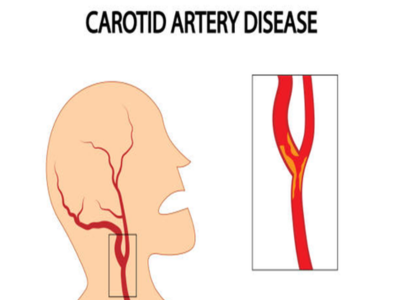
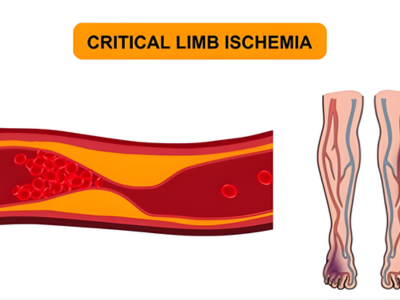
Dr. Kulkarni performs angioplasty to treat a wide range of vascular conditions:
Concerned about poor circulation? Visit an expert to evaluate your vascular health.
Curious about how angioplasty is done? Let’s walk through the step-by-step process

How Dr. Aniruddha Kulkarni Performs Angioplasty
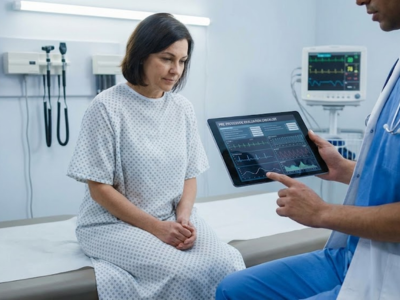
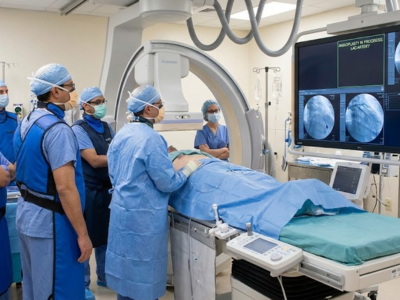
Dr. Kulkarni performs angioplasty in Chembur using advanced, image-guided techniques to ensure accuracy and safety.

Detailed Pre-Procedure Evaluation

A thorough clinical assessment and imaging tests such as Doppler ultrasound or angiography are done to locate and assess the blockage.
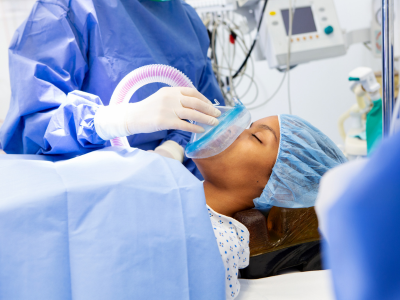
Local Anesthesia and Vascular Access
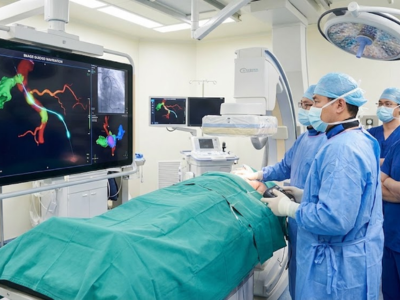
The procedure is typically performed under local anesthesia. A small puncture is made in the groin or wrist to insert a thin catheter into the artery.

Image-Guided Navigation

Using real-time fluoroscopic imaging, the catheter is carefully guided to the blocked segment of the artery.

Balloon Dilatation

A tiny balloon is inflated at the site of narrowing to widen the artery and restore blood flow.

Stent Placement (If Required)

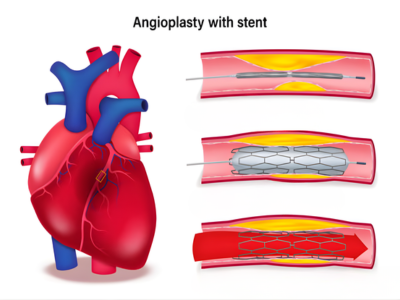
In certain cases, a stent is placed to keep the artery open and reduce the risk of re-narrowing.

Post-Procedure Monitoring

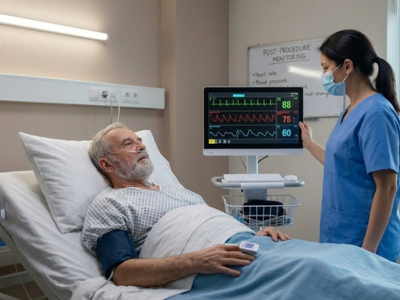
After completion, patients are monitored for a short period and usually discharged within 24–48 hours, depending on the condition treated.
Searching for the right specialist for angioplasty? Let’s explore why Dr. Aniruddha Kulkarni is a preferred choice for patients needing vascular intervention

Why Choose Dr. Aniruddha Kulkarni for Angioplasty in Chembur?

Dr. Aniruddha Vidyadhar Kulkarni is acompetent interventional radiologist with extensive experience in treating arterial blockages using minimally invasive techniques. Here’s why patients trust him for angioplasty treatment in Chembur:

Proven Clinical Expertise

With over two decades of experience, Dr. Kulkarni has managed numerous cases of arterial narrowing, ensuring improved blood flow and symptom relief.
Z

Precision-Guided Procedures

He utilizes advanced imaging technologies, such as fluoroscopy and Doppler ultrasound, to guide the angioplasty with exceptional accuracy.
Z

Minimally Invasive Focus

Dr. Kulkarni specializes in minimally invasive treatments that reduce risk, shorten hospital stay, and allow faster return to daily activities.
Z

Personalized Treatment Planning

Each patient receives a tailored angioplasty plan based on their uniquevascular condition, ensuring optimal outcomes.
Z

Comprehensive Vascular Care

From pre-procedure evaluation to post-procedure follow-up, Dr. Kulkarni ensures continuity of care and supportive guidance at every step.

Z

High Patient Satisfaction

Patients benefit from improved quality of life through symptom relief, functional improvement, and reduced risk of complications.
Need minimally invasive angioplasty care? Connect with a vascular specialist today for expert evaluation and treatment.
Wondering what happens after angioplasty? Let’s discuss recovery and follow-up care

Post-Treatment Care for Angioplasty

After angioplasty, proper care ensures long-term success:

Short Hospital Stay

Most patients are discharged within 24–48 hours.

Medication Support

Blood-thinning medications may be prescribed to prevent clot formation.

Lifestyle Modifications

Healthy diet, exercise, and smoking cessation improve long-term outcomes.

Follow-Up Imaging

Periodic Doppler or CT scans monitor artery patency.

Risk Factor Management

Blood sugar, cholesterol, and blood pressure control are crucial.

FAQs

1. How long does recovery from angioplasty take?
Most patients recover within a few days and can resume light activities in 3–5 days, depending on the treated artery and overall health.
2. Is angioplasty a painful procedure?
Angioplasty is usually done under local anesthesia. Patients may feel mild pressure, but significant pain is uncommon.
3. Can angioplasty be done on all types of heart disease?
Angioplasty is mainly used to treat blocked arteries. It may not be suitable for all heart conditions, especially complex or multi-vessel disease.
4. How soon can I return to my regular activities after angioplasty?
Light activities can often resume within a few days, while strenuous activity may take about a week or as advised.
5. Are there any risks involved in angioplasty?
Risks are generally low but may include bleeding, infection, clot formation, or re-narrowing of the artery.
Call Now Button